02 · Article
On this page13 sections
- What I shared (and why it mattered)
- The feedback loop that actually helped
- The discipline part nobody talks about
- The risks (and how I managed them)
- What I would do again
- The trade‑offs I accept
- What I would change next time
- Why it is still worth it
- The compounding audience effect
- What I would repeat today
- Related Guides
- Related Stories
- Learn More
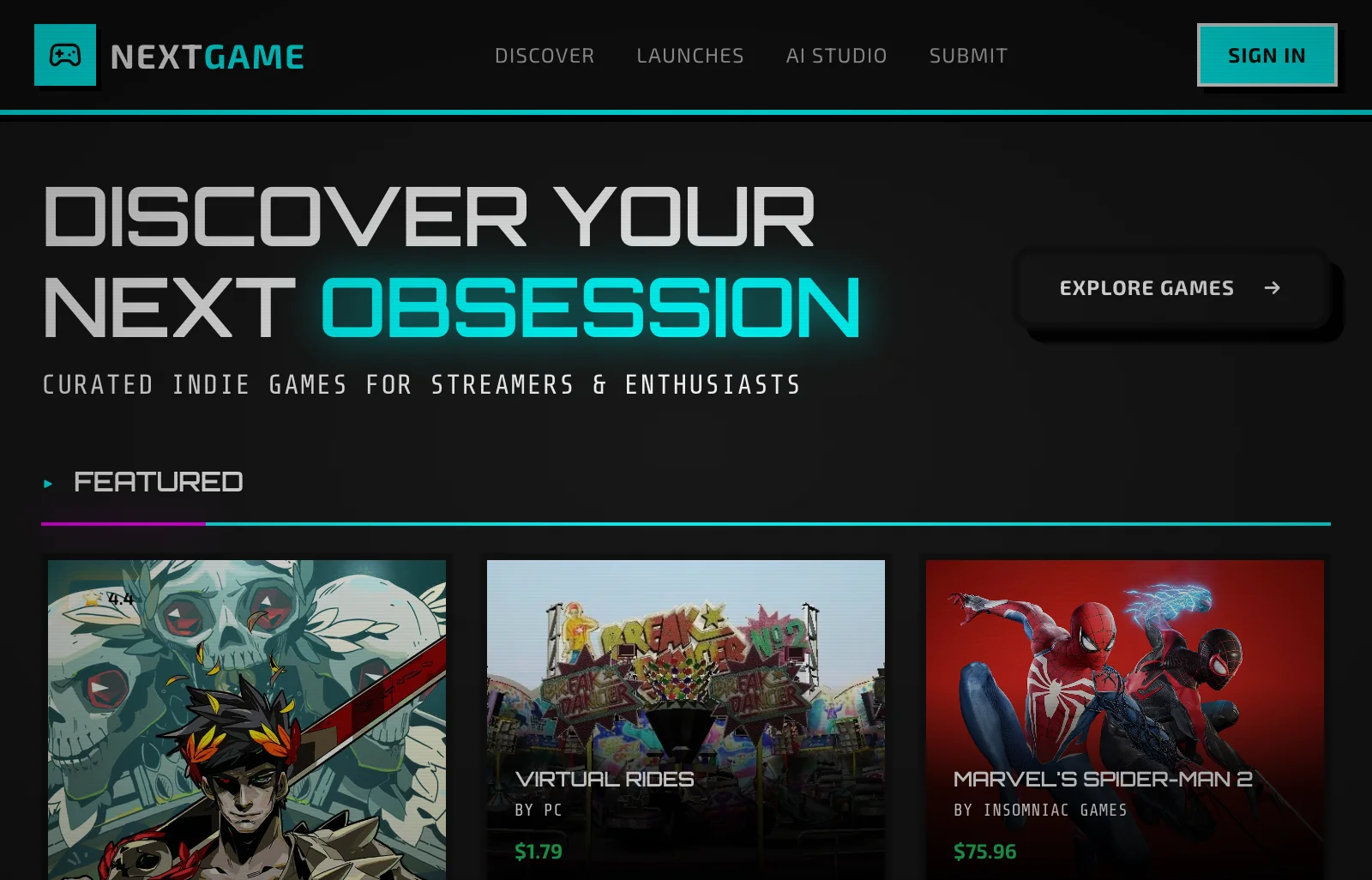
When I started building NextGame.dev, I made a deliberate choice to build in public. This meant sharing progress updates, being transparent about challenges, and inviting feedback at every stage. Looking back, it was one of the best decisions I made for the project.
Building in public creates accountability. When you've told people you're working on something, you're more motivated to follow through. It also creates a feedback loop that's impossible to replicate in private development. Early users helped shape features I never would have prioritized, and their enthusiasm kept me motivated through the inevitable rough patches. The community that formed around the project became its biggest asset.
But building in public isn't without challenges. There's pressure to always have something new to share, which can lead to feature creep. There's also the vulnerability of showing work before it's polished. I learned to embrace "work in progress" as a feature, not a bug - people appreciate seeing the messy middle of creation. The key lesson: authenticity matters more than perfection. Share the struggles alongside the wins, and you'll build a community that's genuinely invested in your success.
What I shared (and why it mattered)
I did not just share wins. I shared:
- decisions I was unsure about
- screenshots of half‑finished ideas
- changes I rolled back after feedback
That openness removed the pressure to be “finished.” It made the audience part of the process instead of observers of a reveal.
The feedback loop that actually helped
The best feedback was not feature requests. It was the pattern feedback:
- “This onboarding step confused me.”
- “I don’t know who this is for yet.”
- “This feels like two products in one.”
Those comments forced clarity. They were uncomfortable, but they made the product better.
The discipline part nobody talks about
Building in public only works if you keep showing up. I built a simple cadence:
- weekly updates
- one clear decision per update
- a visible list of what changed
That cadence created momentum even when progress felt slow. It also built trust. People know you are not just chasing attention. You are doing the work.
The risks (and how I managed them)
Building in public is not a free win. There is a risk of over‑sharing, of making promises you are not ready to keep. I learned to keep the scope narrow and avoid public commitments until the groundwork was real.
The rule I use now: share your process, not your deadlines. The process can adapt. Deadlines can break trust.
What I would do again
I would keep the transparency. I would keep the cadence. And I would still show the messy middle. The audience does not need a perfect story. They want a real one.
That is what building in public actually is: making the work visible, then letting the feedback sharpen it.
The trade‑offs I accept
There are costs to building in public. You expose half‑finished work. You invite comparison. You risk being wrong in public. I accept those costs because they keep me honest.
The rule I follow: do not over‑promise. Share progress, not guarantees. That keeps trust intact even when timelines shift.
What I would change next time
If I could do it again, I would tighten the story even more:
- fewer updates, but clearer
- more screenshots of actual progress
- a single visible metric to track the journey
The goal is not volume. It is signal.
Why it is still worth it
Despite the friction, the benefits remain:
- accountability
- faster learning
- better feedback loops
- a community that grows with the product
That is rare. Most products are built in silence. Building in public gives you momentum that does not exist otherwise.
If you are thinking about doing it, start small. Share one decision per week. Let the loop build. Consistency beats volume every time.
The compounding audience effect
The real value of building in public is not a viral post. It is the compounding audience. People who watch you build over months become the earliest users, the first testers, and the first advocates. That trust is almost impossible to buy.
What I would repeat today
If I were starting again, I would keep the same rules:
- ship in public, not in private
- prioritize clarity over polish
- use feedback to sharpen decisions, not add scope
That is the only sustainable loop I have found.
Related Guides
- AI Product Validation Guide — Prove demand before you build
- How to Ship AI Products Fast — The 2-3 week playbook
- Solo Founder AI Stack — The lean stack for shipping
Related Stories
- Shipping AI Products in Weeks — The fast shipping mindset
- The Sprint That Changed Everything — How weekly shipping builds clarity
Learn More
For a complete product building system, join the AI Product Building Course.