RetroSnake - Rapid Prototyping with AI
A modern take on the classic snake game, built through iterative AI-assisted development to demonstrate rapid prototyping capabilities and design iteration.
Game DevelopmentAI PrototypingReactRapid Development
A modern take on the classic snake game, built through iterative AI-assisted development to demonstrate rapid prototyping capabilities and design iteration.
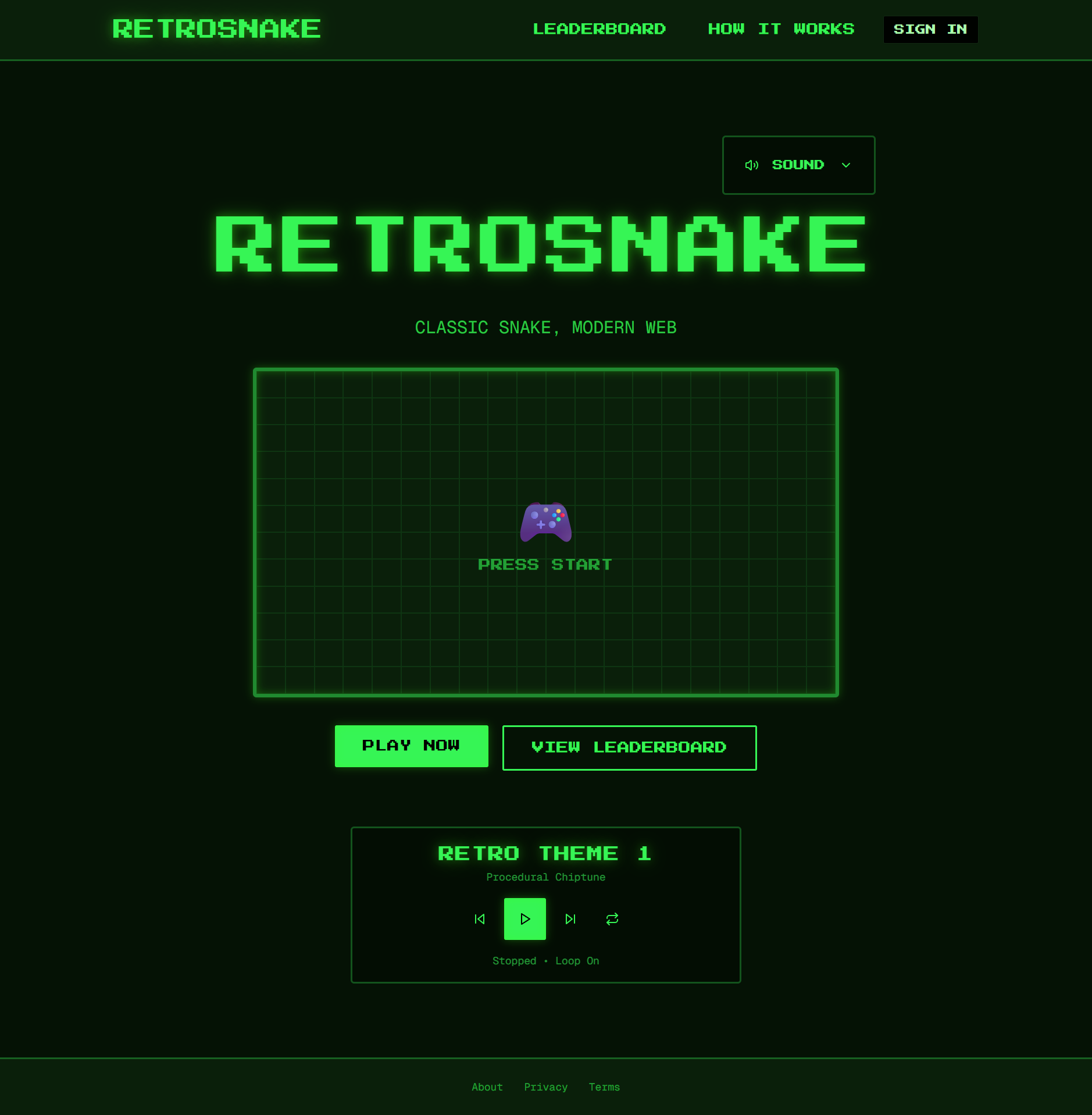
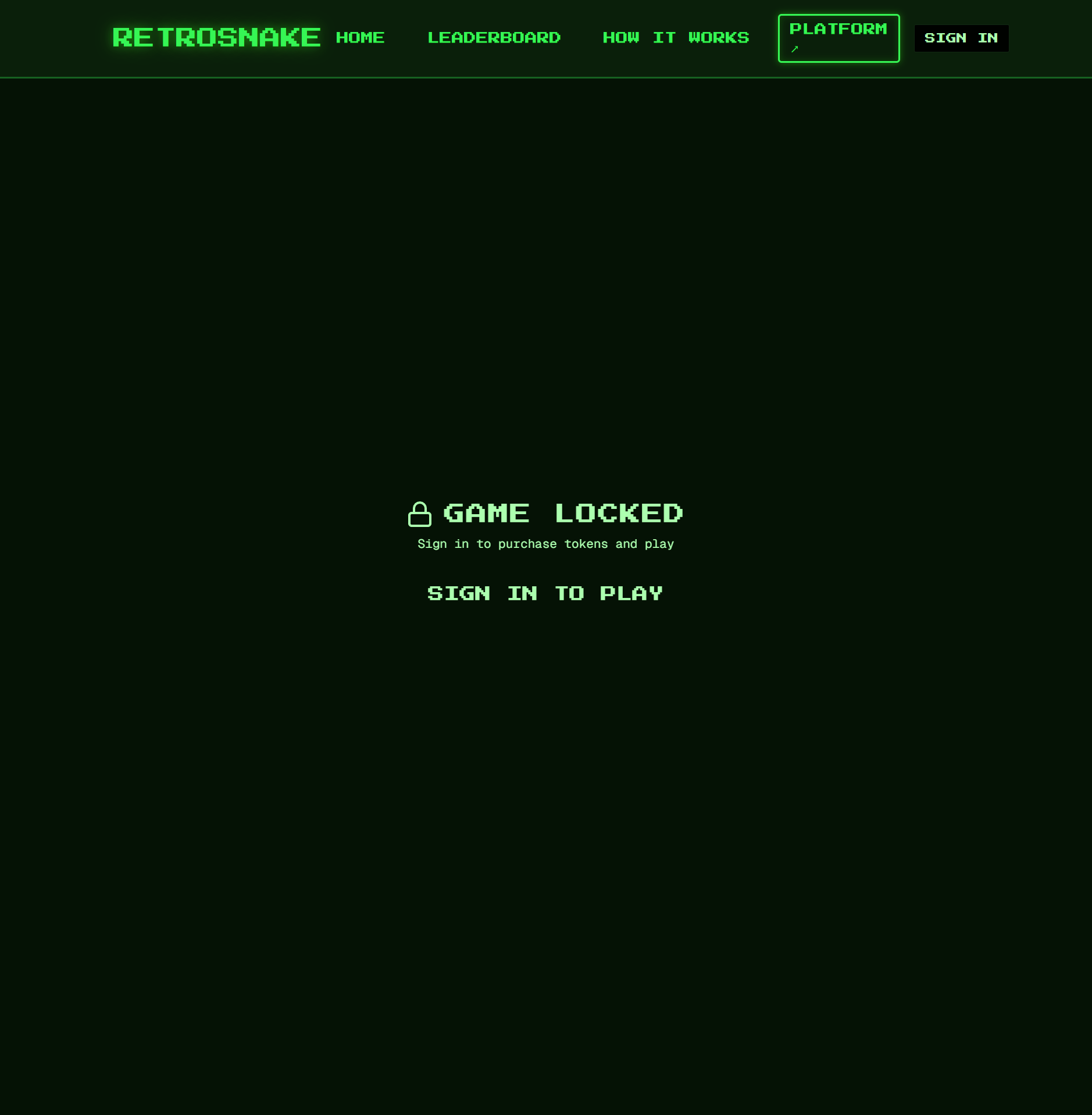

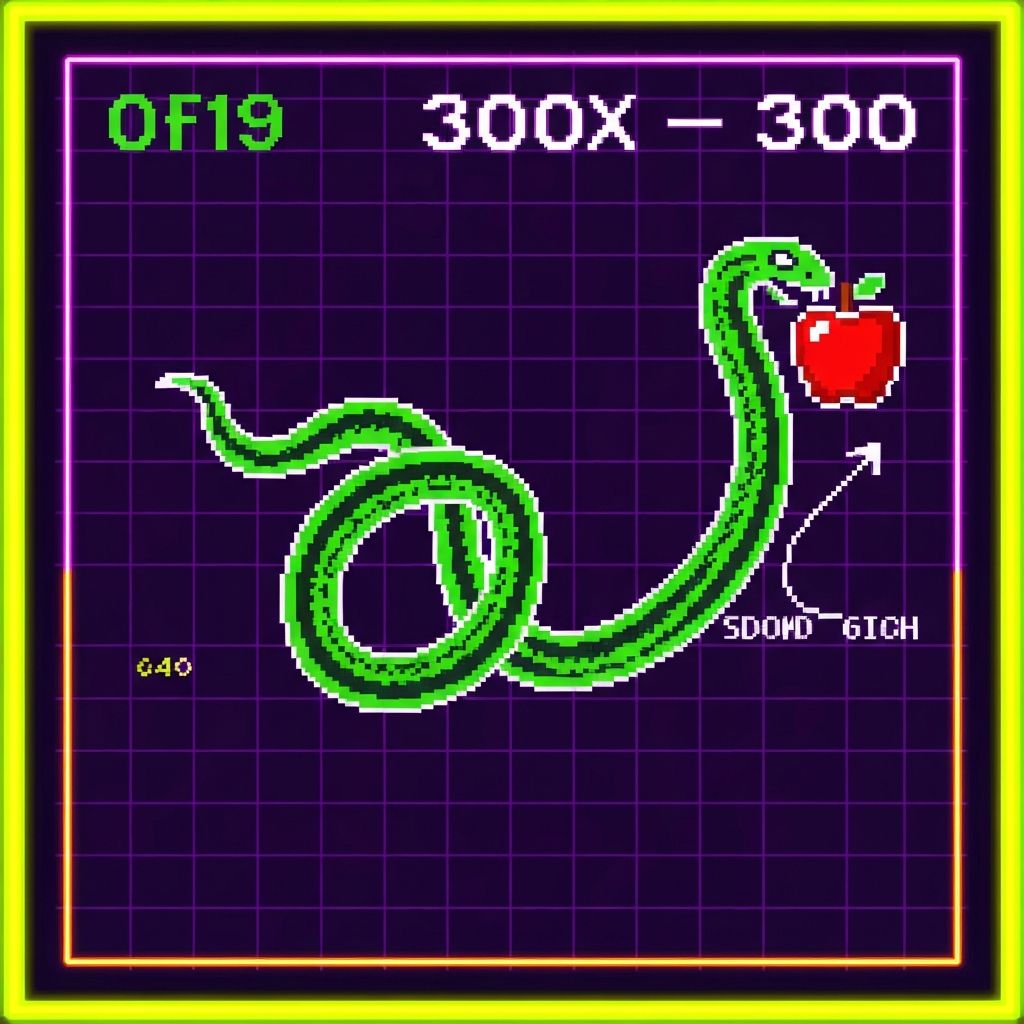
RetroSnake is NextGame.dev's first dogfooding project—a browser-based recreation of the classic Nokia snake game, built in just one week to test the platform's own launch technology. The project demonstrates how modern AI-assisted development enables rapid prototyping from concept to deployed product.
As part of NextGame.dev's dogfooding strategy, RetroSnake was built to experience firsthand what indie developers face when launching games. By becoming game creators ourselves, we gain authentic insights into the discovery and launch challenges our platform aims to solve.
Create a complete, polished game experience rapidly while maintaining code quality and implementing modern web features. The goal was to move from concept to deployed product efficiently, demonstrating the potential of AI-assisted development workflows for rapid iteration and feature implementation.
The project was built through iterative AI-assisted development, with each feature developed through a prompt-driven workflow. Rather than writing all code manually, the development process involved clearly defining requirements, iterating on implementations, and refining features through natural language collaboration. This approach allowed for rapid feature additions while maintaining code quality and architectural consistency.
The game features an authentic retro aesthetic with a green CRT-style visual design and pixel font typography. The interface includes procedurally generated chiptune music that loops during gameplay, creating an immersive retro gaming experience. The design prioritizes authenticity to classic gaming while incorporating modern web capabilities like responsive design and smooth animations.
Built with React and Next.js, the game uses canvas-based rendering for smooth gameplay. The game loop is implemented using requestAnimationFrame for optimal performance, while state management handles game logic, score tracking, and collision detection. The procedural music system generates chiptune tracks dynamically, and the leaderboard integrates with a backend API for score persistence.
The project successfully demonstrates how AI-assisted development can accelerate the creation of feature-complete applications. By focusing on clear requirement definition and iterative refinement, complex features like procedural music generation and responsive game mechanics were implemented efficiently. The experience highlighted the importance of prompt engineering skills and the ability to effectively collaborate with AI tools in modern development workflows.
Potential enhancements include adding more game modes, implementing power-ups and obstacles, expanding the music library with more procedurally generated tracks, adding multiplayer functionality, and creating additional retro-styled games under the NextGame brand. The modular architecture makes it straightforward to iterate on features and experiment with new mechanics.